MDF Laminate Production
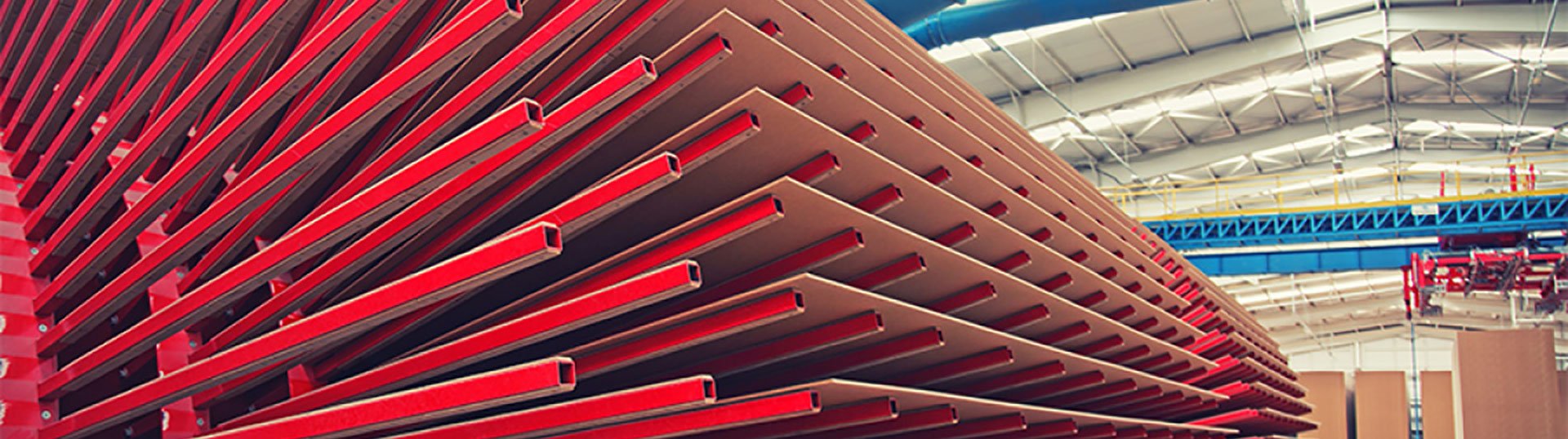
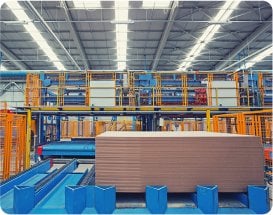
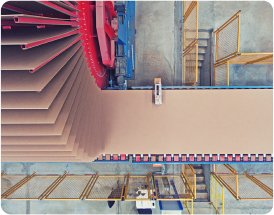
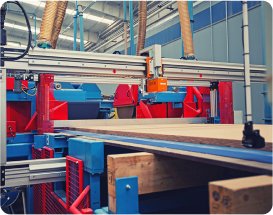
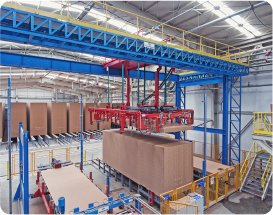
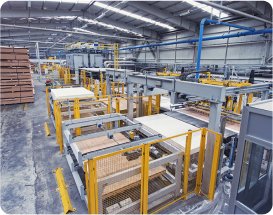
For MDF production, wood chips obtained from hardwoods and softwoods are steamed and passed through a defibrillator to transform them into wood fibers. These fibers are then dried, and binding agents such as glue, paraffin, and hardeners are added. The fibers, mixed with binding agents, are then subjected to a spreading process. During the subsequent pre-pressing process, the fiber layers are compressed to approximately half their thickness, the edges are trimmed and straightened, and then sized.
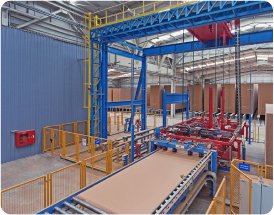
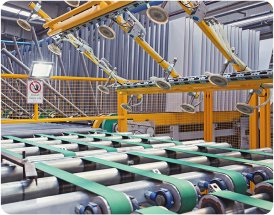
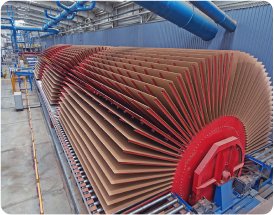
In the subsequent hot pressing stage, the fibers and binders, under high temperature and pressure, fuse and harden completely, forming sheets of the desired thickness. The final stage of production is cooling the sheets after hot pressing and sanding them to achieve a flawless surface. High-quality MDF fiberboard is now ready for use in all types of production.
MDF is essentially a board product that combines the superior properties of hard fiberboard and particle board. Its physical and mechanical properties allow it to be used as an alternative to solid wood. Due to its high surface density and low roughness, all types of liquid surface treatments such as lacquers, paints, and varnishes can be applied to the board surfaces.
MDF boards can have their surfaces covered with all types of laminate, resin-impregnated paper, foil, and wood veneer. The edges of MDF are extremely smooth and tight, and tongue and groove joints can be made without gluing solid strips, allowing for the creation of any type of profile.
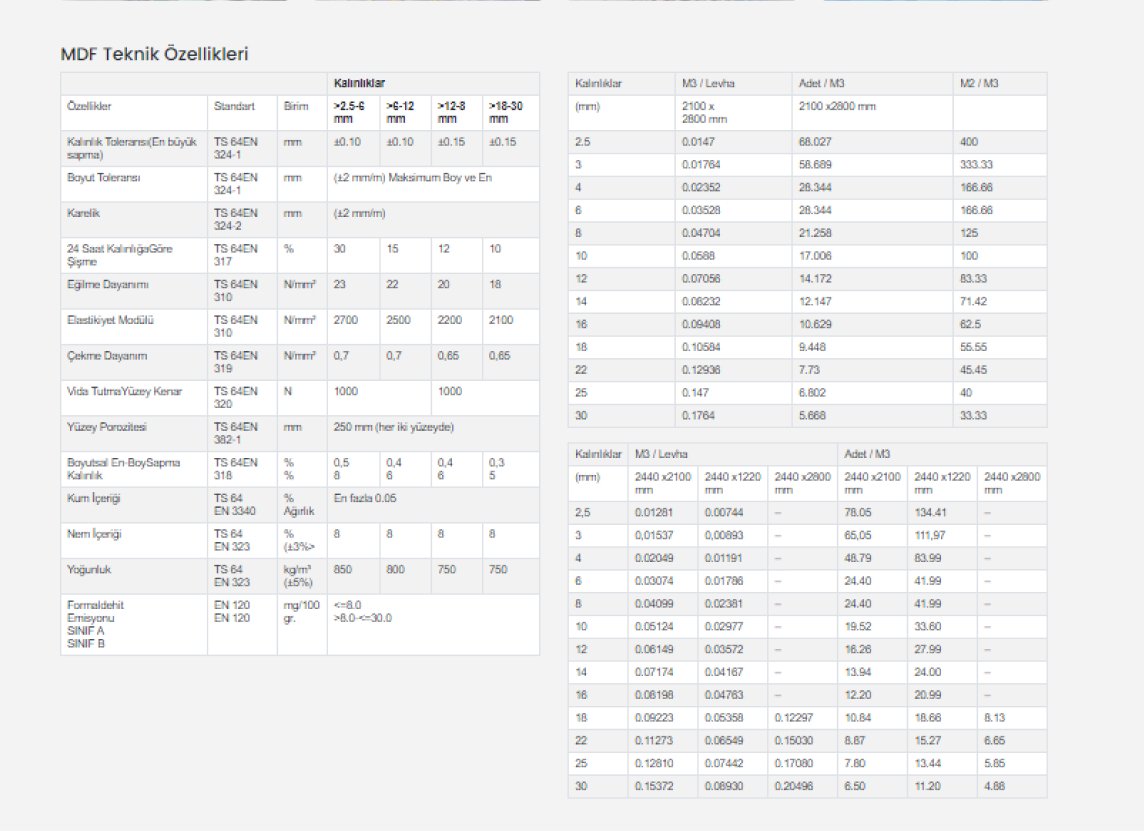
Another advantage of MDF is its high bending resistance, modulus of elasticity, and screw and nail holding strength.